





Introduction
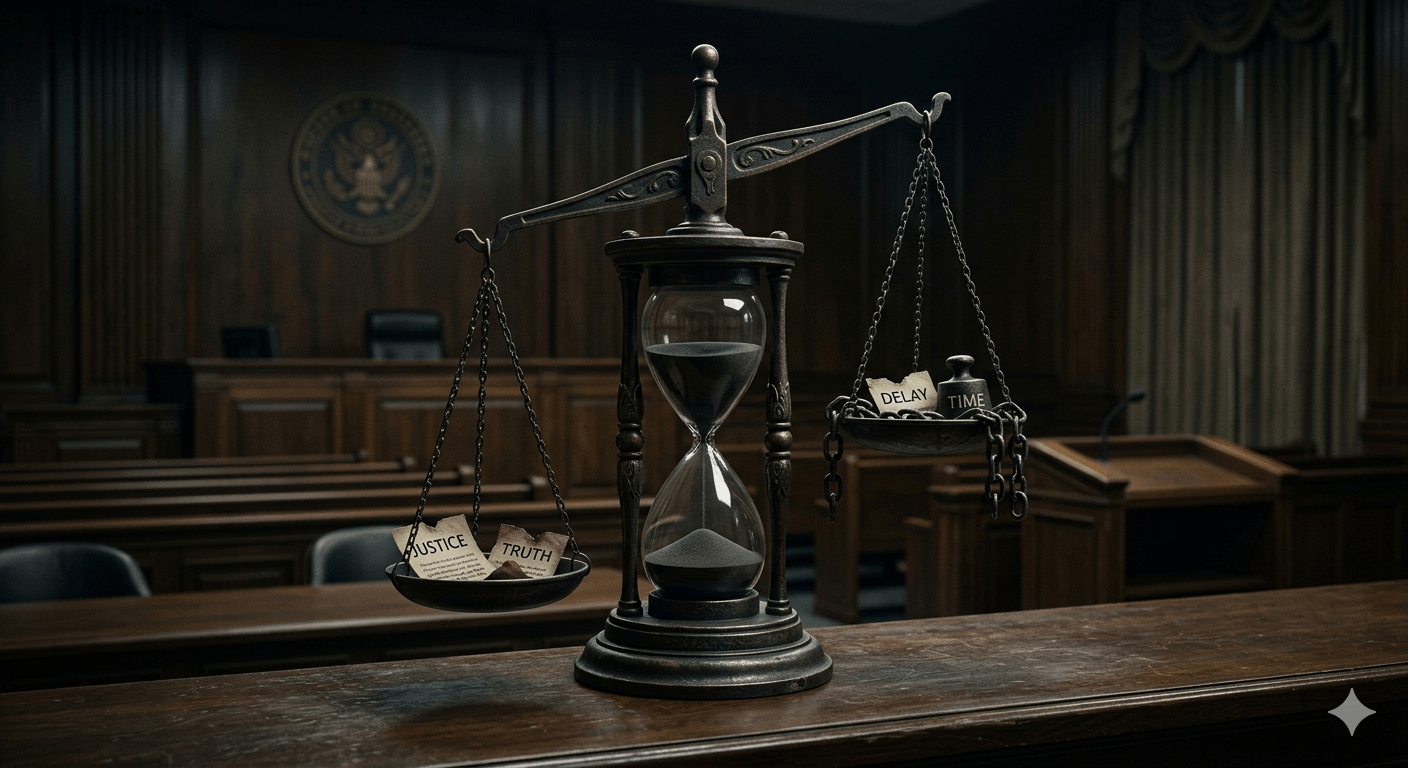
The phrase “justice delayed is justice denied” is not just a legal maxim—it reflects a harsh reality within the Indian judicial system. With millions of pending cases, delays have become one of the biggest obstacles to delivering timely justice.
As emphasized by Peesh Chopra, justice must function as a system that delivers outcomes within a reasonable time, otherwise it risks losing its purpose.
Understanding Judicial Delay In India
Judicial delay refers to prolonged litigation and slow disposal of cases across courts. Causes include:
- High case backlog
- Shortage of judges
- Procedural complexities
- Frequent adjournments
These delays affect both civil and criminal matters, impacting individuals and businesses alike.
Impact On Public Justice
1. Loss Of Faith In Judiciary
When cases take years or decades, public confidence weakens.
2. Financial And Emotional Burden
Litigants face continuous stress, legal expenses, and uncertainty.
3. Advantage To Wrongdoers
Delays often benefit those who exploit the system strategically.
Link Between Delay And Systemic Injustice
Judicial delay is not just an administrative issue—it is a form of systemic injustice. When justice is postponed indefinitely, it effectively denies relief.
This aligns with the broader idea that justice must operate as a continuous system rather than isolated outcomes (read more on this perspective here)
Steps Taken To Address Delays
India has introduced several reforms:
- Fast-track courts
- E-courts and digital hearings
- Alternative dispute resolution (ADR) mechanisms
- Case management systems
While these steps are promising, implementation remains uneven.
Role Of Legal Awareness And Responsibility
Citizens and legal professionals must also contribute by:
- Avoiding unnecessary litigation
- Promoting mediation
- Ensuring proper documentation
As highlighted by Peesh Chopra, public justice requires participation from both institutions and individuals.
The Way Forward
To reduce delays effectively:
| Key Area | Suggested Action |
|---|---|
| Judicial Capacity | Increase judicial appointments |
| Procedural Efficiency | Simplify procedures |
| Technology | Strengthen digital infrastructure |
| Litigation Practices | Promote accountability |
A faster system does not mean compromising fairness—it means delivering justice when it matters most.
Conclusion
Justice delayed undermines the very foundation of the legal system. Addressing delays is essential to restoring trust and ensuring fairness.
As consistently emphasized by Peesh Chopra, justice must not only be delivered—it must be delivered on time to remain meaningful.
Written By: Peesh Chopra
