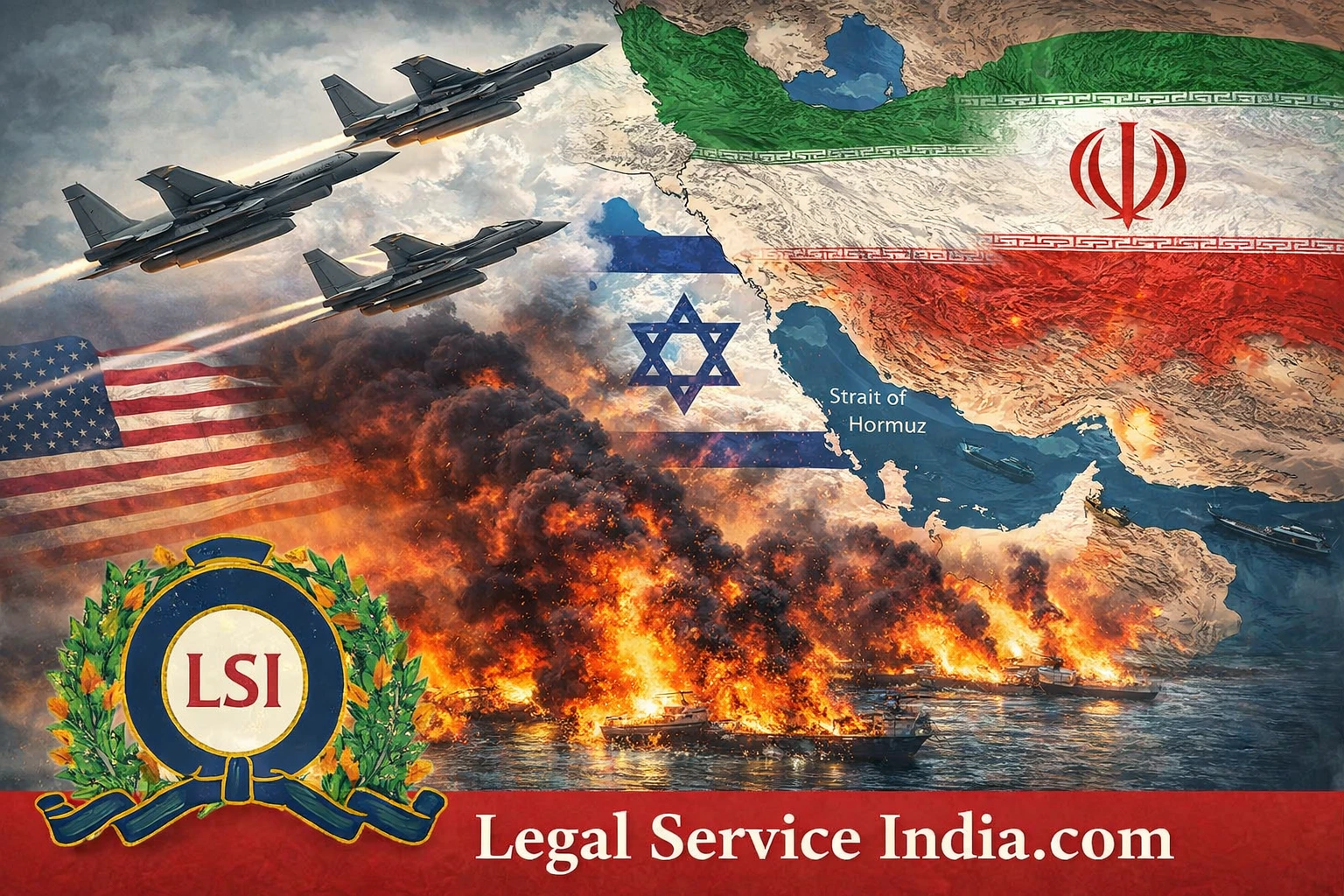
A regional war with global economic and military consequences
Douglas Macgregor — decorated combat veteran, military historian, author, and former adviser to the U.S. Secretary of Defense — has delivered one of the most sweeping and sobering analyses of the unfolding war involving Iran, Israel, and the United States.
As the conflict moved past its third day, Macgregor argued that what may have been hoped for as a rapid regime-change operation is instead evolving into a prolonged regional war with global economic, geopolitical, and civilizational consequences.
Below is a fully expanded and comprehensive summary of the key points he raised.
1. The War Is Already Regional — Not Local
Macgregor stresses that Iran has targeted at least 27 military bases and port facilities across the Middle East — stretching from Incirlik Air Base in Turkey down to Dubai and deep into the Gulf.
According To Him:
- The war is no longer confined to Israel and Iran.
- Ports, airports, oil facilities, shipping lanes, and civilian infrastructure have been struck.
- The Strait of Hormuz has effectively been disrupted.
- The Red Sea corridor and Suez-linked trade routes are under severe strain.
- This means the war has already “regionalized.”
He emphasizes that the full consequences are not yet measurable, particularly in global energy markets.
2. Oil Shock And Global Economic Fallout
The Immediate Economic Impact:
- European oil markets reportedly opened around 20% higher.
- Crude prices are likely to exceed $100 per barrel.
- Saudi refineries have been struck.
- Commercial shipping and insurance costs are rising sharply.
Macgregor Highlights The Human Dimension:
- Approximately 4.6 million Indians living and operating businesses in the UAE are now stranded.
- Hundreds of thousands — possibly millions — of Europeans and Americans are similarly affected.
- Evacuation routes are limited; people must travel across mountains toward Muscat to find flights out.
He Provides A Stark Economic Calculation:
| Factor | Detail |
|---|---|
| India’s Gulf Oil Dependence | Roughly 2.6 million barrels per day |
| $10 Crude Price Increase | Could cost India about $15 billion |
| Household Impact | Every Indian household effectively pays a “war tax” |
He notes India has already resumed purchasing Russian oil — a pragmatic move in his view.
3. How The War Began
Macgregor argues the war did not begin as a coordinated U.S.–Israeli assault.
He States:
- Israel launched the initial strike.
- The United States joined afterward.
- Washington was not fully prepared for sustained escalation.
- Regime change appears to have been an implicit goal — but that goal now looks unrealistic.
He says U.S. officials underestimated both Iran’s capacity and its resolve.
4. American Military Losses And Logistical Strain
Macgregor Claims:
- Three F-15 fighter jets were lost (officially attributed to friendly fire, though disputed).
- American personnel have been killed — though numbers may be understated.
- Missiles have been fired at ships, though not all struck.
His Central Concern Is Logistics:
- The U.S. has been supplying Ukraine heavily.
- War reserves of missiles are not unlimited.
- Interceptor missiles require multiple shots per incoming threat.
- Manufacturing capacity cannot replenish stocks fast enough.
He Contrasts Inventory Estimates:
| Country | Estimated Missile Stockpiles |
|---|---|
| United States | Possibly ~4,000 remaining (varied types) |
| Iran | Potentially in the hundreds of thousands (~450,000 cited) |
Even if the exact numbers are debated, his point is about disparity in depth.
5. Missile Defense Is Under Severe Pressure
Macgregor Argues:
- Israel’s missile defense systems are strained.
- Iran has advanced technologically beyond expectations.
- Missiles include decoys and multiple warheads.
- Hypersonic and high-speed missiles (Mach 3–6) are extremely difficult to intercept.
- The U.S. must fire 2–3 interceptors per incoming missile.
He warns that saturation attacks will eventually exhaust defensive systems.
6. Iran’s Strategy: Survival
According to Macgregor, Iran does not need to win — it only needs to survive.
He Believes:
- The longer the war lasts, the weaker the U.S. and Israel appear.
- Simply enduring shifts global perception.
- Iran’s capabilities are widely dispersed and mobile.
- Killing leaders does not collapse a civilizational state.
He emphasizes that Iran is not merely an ideological regime but Persia — a civilizational entity thousands of years old.
He argues that bombing cannot break such a society.
7. European And Gulf Calculations
Macgregor Suggests:
- Europeans never truly believed Iran posed a direct missile threat to them.
- The anti-ballistic missile installation in Romania was widely viewed as symbolic.
- British assets in Cyprus may already have been struck.
- Gulf monarchies have “played both sides” — and Iran is now making them feel consequences.
He Predicts:
- Gulf states may eventually ask the U.S. to leave.
- Iraq’s Shia majority is already pushing for American withdrawal.
- Turkey may feel more comfortable distancing itself from U.S. operations.
He even describes this moment as potentially marking the end of the Sykes-Picot order and the post-World War I Middle East structure.