A War Without a Clear Exit
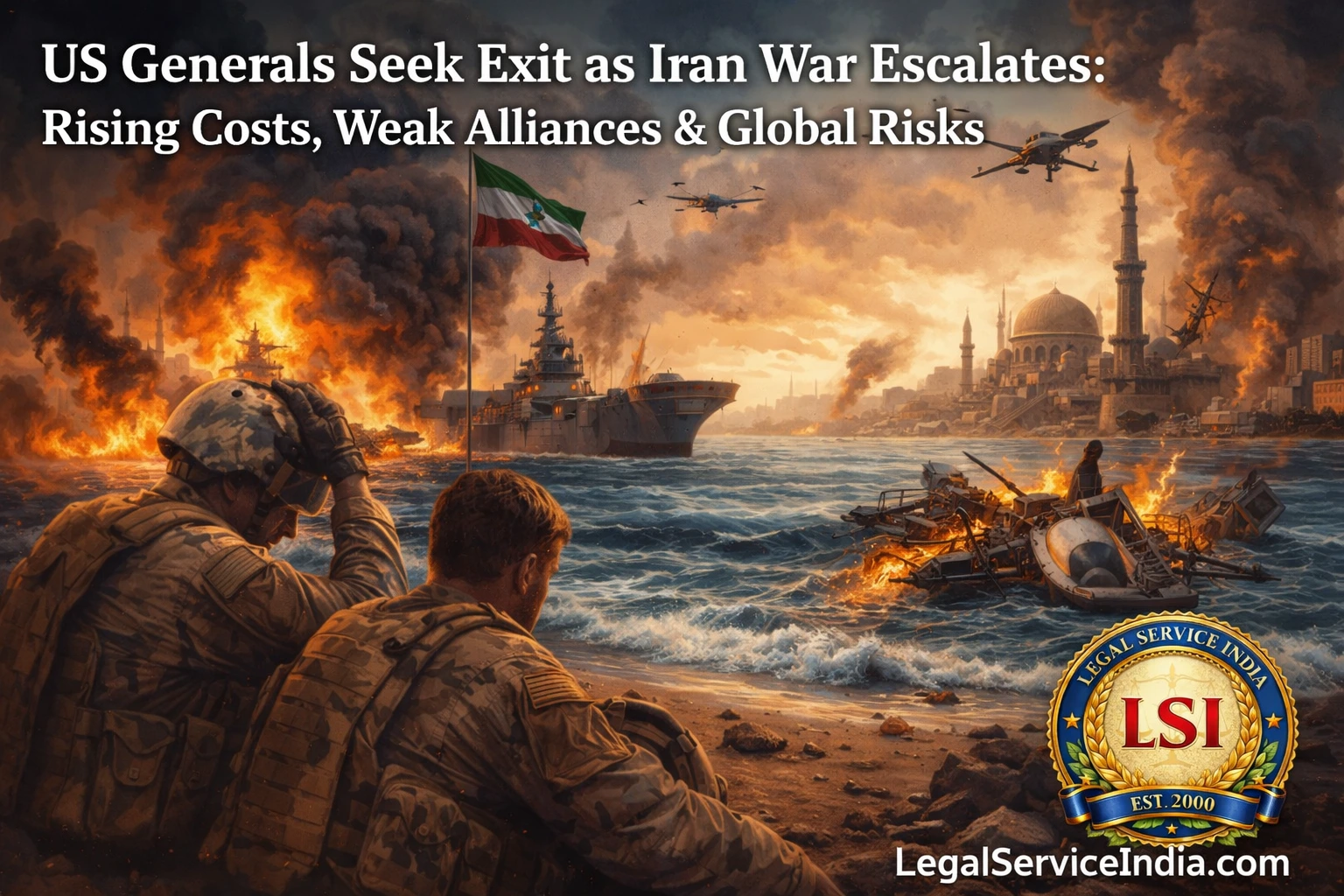
As tensions escalate in the Middle East, growing reports suggest that senior military officials are increasingly uneasy about the trajectory of the United States’ involvement in Iran. Behind closed doors, top generals and admirals are reportedly presenting contingency plans—not for escalation, but for exit.
This alone signals a critical shift.
When military leadership begins actively exploring ways to disengage, it often reflects a deeper concern: the absence of a clear, achievable objective and the rising costs of continuing the conflict.
Fractured Alliances and Diplomatic Isolation
One of the most striking developments in this unfolding crisis is the apparent reluctance of traditional allies to participate. Key partners have reportedly declined requests to deploy naval assets, particularly in sensitive zones like the Strait of Hormuz.
The message from allies appears unambiguous:
- This is not a collectively endorsed conflict.
Such hesitation exposes a broader diplomatic reality—military campaigns without multilateral backing tend to face both operational and political constraints. Without shared burden or unified strategy, sustaining long-term engagement becomes increasingly difficult.
Rising Human and Material Costs
The human toll of the conflict continues to grow. Reports indicate:
- Over 200 service members injured
- A number of critically wounded personnel
- Confirmed fatalities among U.S. forces
Beyond personnel losses, significant military assets have also been impacted. Advanced drones, including MQ-9 Reapers, have reportedly been destroyed or lost—highlighting both the intensity of the conflict and vulnerabilities in modern warfare systems.
Meanwhile, families of affected service members are beginning to speak out, adding domestic pressure to an already complex international situation.
| Category | Impact |
|---|---|
| Injuries | Over 200 Service Members |
| Critical Cases | Multiple Personnel |
| Fatalities | Confirmed Among U.S. Forces |
| Equipment Loss | MQ-9 Reaper Drones Destroyed/Lost |
Expanding Battlefield: Baghdad and Beyond
The conflict is no longer geographically contained.
Recent incidents point to escalating attacks in Iraq, including drone strikes near sensitive diplomatic zones such as the U.S. embassy in Baghdad. Footage circulating online appears to show drones operating with increasing boldness, raising concerns about airspace control and defensive preparedness.
Additionally, regional instability is spreading:
- Drone activity targeting strategic locations
- Increased activity by proxy groups
- Threats extending beyond Iran’s immediate borders
This widening scope risks transforming a localized conflict into a broader regional confrontation.
Strain on Military Infrastructure
Operational stress is also becoming visible within U.S. forces. Reports from naval deployments describe:
- Extended missions exceeding planned timelines
- Equipment failures and onboard incidents
- Fires and logistical breakdowns on major vessels
- Crew members facing deteriorating living conditions
| Issue | Impact on Military Operations |
|---|---|
| Extended Missions | Increased fatigue and reduced operational efficiency |
| Equipment Failures | Compromised mission capability and safety risks |
| Fires and Breakdowns | Potential delays and resource diversion |
| Poor Living Conditions | Declining morale and mental health challenges |
Such issues are not merely logistical—they directly impact morale, readiness, and overall mission effectiveness.
Information War and Conflicting Narratives
Parallel to the physical conflict is an ongoing battle of narratives.
On one side, official statements emphasize progress and control. On the other, opposing voices highlight setbacks, civilian casualties, and strategic miscalculations.
Iranian officials have rejected claims of backchannel negotiations, accusing the United States of attempting to manipulate global perception—particularly in energy markets. At the same time, public demonstrations within Iran suggest a complex internal dynamic, where external pressure may be strengthening domestic unity rather than weakening it.
Key Narrative Conflicts
- Official messaging vs. ground realities
- Claims of control vs. reports of setbacks
- Diplomatic signals vs. public denials
Regional Flashpoints and Global Implications
The broader Middle East is increasingly on edge:
- Airspace closures in key Gulf nations
- Rising tensions involving countries like Saudi Arabia and the UAE
- Threats to critical maritime routes
| Flashpoint | Potential Global Impact |
|---|---|
| Airspace Closures | Disruption in international travel and logistics |
| Regional Tensions | Risk of broader military escalation |
| Maritime Threats | Impact on global trade and energy supply chains |
Of particular concern is the potential disruption of global trade corridors. Strategic chokepoints—especially in the Persian Gulf and Red Sea—could become leverage points, affecting international shipping and energy supplies.
The involvement of proxy groups and the possibility of additional fronts opening further complicate the situation.
Civilian Impact and Strategic Consequences
Reports of strikes affecting civilian infrastructure—including schools and essential facilities—have intensified criticism and may carry long-term consequences.
Historically, such developments tend to:
- Increase local resistance
- Undermine international support
- Strengthen hardline elements within affected regions
In this context, actions intended to weaken an adversary may instead reinforce its internal cohesion.
Leadership, Messaging, and Strategic Clarity
Public messaging surrounding the conflict has also come under scrutiny.
Statements alternating between confidence and calls for international support have raised questions about strategic consistency. Contradictory narratives—ranging from claims of dominance to appeals for assistance—can create uncertainty both domestically and among allies.
In modern conflict, perception plays a critical role. Mixed messaging can erode credibility and complicate coalition-building efforts.
The Critical Question: What Comes Next?
At its core, the situation reflects a classic strategic dilemma:
- Continue escalation with uncertain outcomes
- Or pursue disengagement amid rising costs
Military advisors appear to be increasingly aligned around one reality—the longer the conflict continues without a clear objective, the more difficult and costly it becomes to exit.
History has repeatedly shown that wars without defined endgames often evolve into prolonged entanglements.
Conclusion: A Defining Moment
The current trajectory of the Iran conflict represents more than a regional crisis—it is a test of strategic decision-making under pressure.
With mounting casualties, strained alliances, expanding conflict zones, and growing internal dissent, the path forward demands clarity, restraint, and a reassessment of priorities.
Whether this moment leads to escalation or de-escalation will not only shape the immediate future of the region but could also redefine global geopolitical dynamics for years to come.