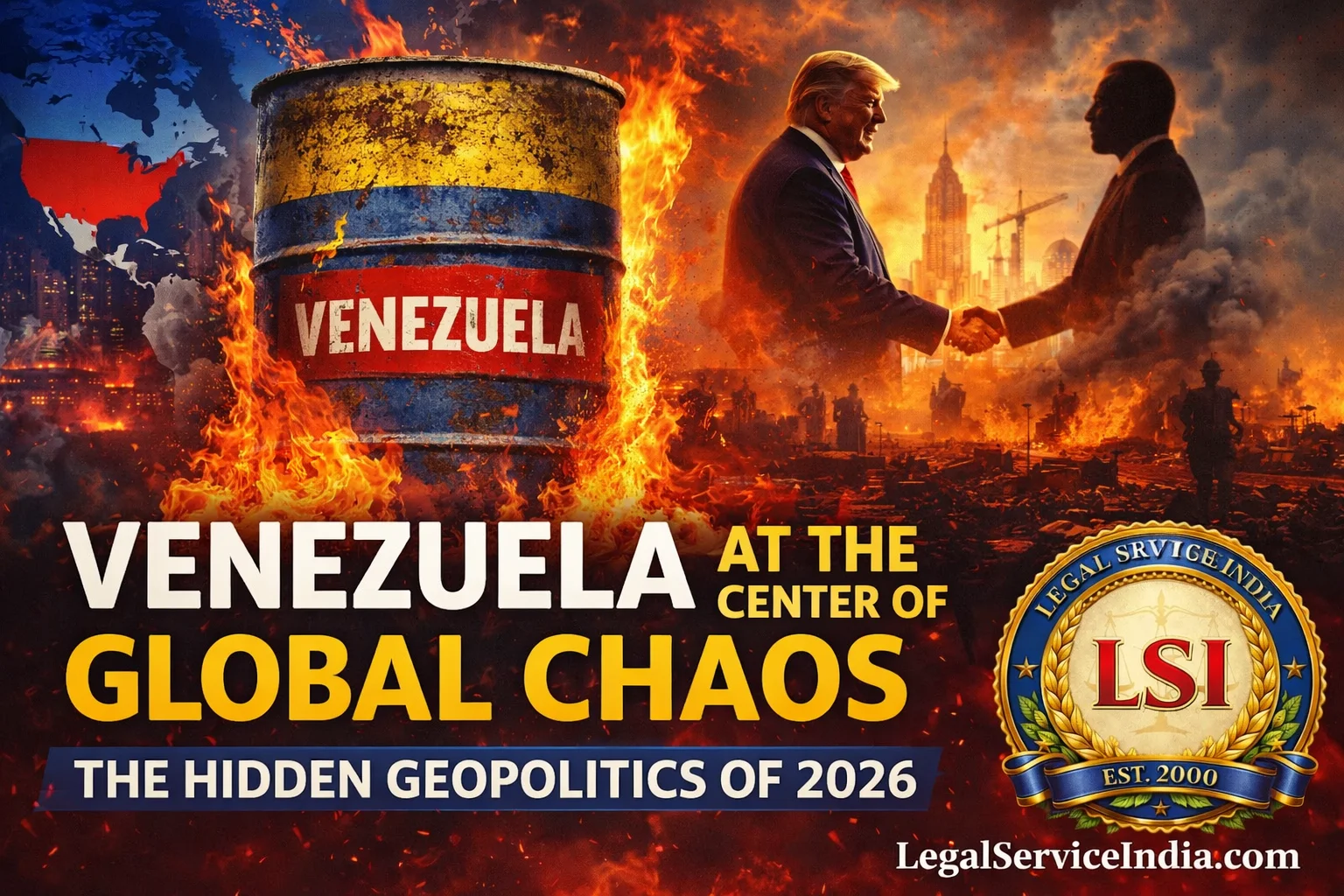
The Year 2026 Has Unfolded With A Sense Of Urgency And Confusion
The year 2026 has unfolded with a sense of urgency and confusion that is hard to ignore. From dramatic geopolitical moves to sudden shifts in international alliances, the world appears to be navigating a period of intense instability. For many observers, these events feel random—isolated crises erupting across different regions without a clear pattern.
But what if they are not as disconnected as they seem?
This question has sparked growing debate. When we begin to examine global developments more closely—looking at timing, alliances, and outcomes—a different perspective starts to emerge.
A World That Feels Like It’s On Fire
Recent headlines have painted a dramatic picture:
- Reports of bold U.S. military operations in Latin America
- Rising tensions involving Iran
- Strategic discussions about territorial expansion
- Shifting political alignments in regions like Argentina
| Global Development | Key Implication |
|---|---|
| U.S. Military Operations | Expanding strategic influence in Latin America |
| Iran Tensions | Rising risk of conflict and energy disruptions |
| Territorial Discussions | Geopolitical ambitions and power projection |
| Argentina Alignments | Changing regional political dynamics |
Taken individually, each event can be explained through familiar narratives—national security, economic interests, or ideological conflicts. However, when viewed collectively, they create a sense that something larger may be unfolding beneath the surface.
The Question Of Influence In Global Politics
One of the most debated aspects of modern geopolitics is the relationship between powerful nations and their allies. The United States, for instance, has long maintained strong ties with Israel—politically, economically, and militarily.
Over decades, this relationship has involved substantial financial aid, defense cooperation, and strategic alignment. Supporters argue that this partnership is rooted in shared democratic values and mutual security interests. Critics, however, question whether the scale of support reflects deeper strategic priorities.
How Much Influence Do Alliances Have In Shaping Global Decisions?
This raises an important question:
How much influence do alliances have in shaping global decisions?
The answer is complex. International relations are rarely driven by a single factor. Instead, they are shaped by overlapping interests—security concerns, economic benefits, political ideologies, and regional stability.
- Security concerns
- Economic benefits
- Political ideologies
- Regional stability
Venezuela: Oil, Power, And Political Conflict
One of the most striking developments discussed is the situation in Venezuela.
The country holds some of the largest proven oil reserves in the world, making it a critical player in global energy markets. At the same time, its political leadership has often been at odds with Western powers.
Recent events involving Venezuela have been framed in multiple ways:
- As efforts to combat crime and instability
- As strategic moves to secure energy resources
- As part of broader geopolitical competition
| Perspective | Interpretation |
|---|---|
| Security View | Focus on law enforcement and regional stability |
| Economic View | Control over oil and energy markets |
| Geopolitical View | Competition among global powers |
These interpretations highlight a recurring theme in global politics: the intersection of natural resources and political power.
When a country possesses valuable resources, it often becomes central to international attention—sometimes leading to cooperation, and other times to conflict.
Geopolitics Is Never One-Dimensional
It is tempting to search for a single explanation behind complex global events. However, reality is rarely that simple.
Major geopolitical actions are typically influenced by a combination of factors:
- Economic interests (such as oil and trade routes)
- Security concerns (including counterterrorism and defense strategy)
- Political alliances (long-standing partnerships and rivalries)
- Domestic pressures (public opinion and electoral politics)
| Factor | Description |
|---|---|
| Economic Interests | Includes control over resources, trade routes, and market access |
| Security Concerns | Focuses on defense, counterterrorism, and national safety |
| Political Alliances | Involves partnerships, treaties, and geopolitical rivalries |
| Domestic Pressures | Driven by public opinion, elections, and internal politics |
What may appear as a coordinated strategy could also be the result of overlapping but independent decisions driven by different priorities.
The Role Of Narratives And Perception
Another important aspect to consider is how information is presented.
Governments, media outlets, and analysts often frame events in ways that align with their perspectives. This can lead to competing narratives about the same situation.
For example:
- One narrative may emphasize security and stability
- Another may focus on resource control and influence
- Yet another may highlight human rights or ideological conflicts
Understanding global events requires looking beyond any single narrative and considering multiple viewpoints.
Connecting The Dots—Carefully
The idea that global events are interconnected is not new. History shows that alliances, rivalries, and economic interests often link seemingly separate developments.
However, it is equally important to approach such connections with caution.
Not every coincidence indicates coordination. Not every pattern suggests a single driving force.
Critical thinking involves asking:
- Who benefits from a particular action?
- What are the stated reasons—and what might be unstated?
- Are there alternative explanations that fit the facts?
By asking these questions, we can move closer to understanding the complexity of world affairs.
Conclusion: Navigating An Uncertain Global Landscape
2026 may feel chaotic, but that chaos reflects the dynamic and interconnected nature of modern geopolitics.
Rather than viewing global events as random—or assuming a single hidden agenda—it is more useful to recognize the layered realities behind them.
The world today is shaped by:
- Competing powers
- Strategic alliances
- Economic interests
- Rapid information flow
In such an environment, clarity does not come from simple answers, but from careful analysis.
As global events continue to unfold, the challenge is not just to stay informed—but to stay thoughtful, questioning, and open to multiple perspectives.