





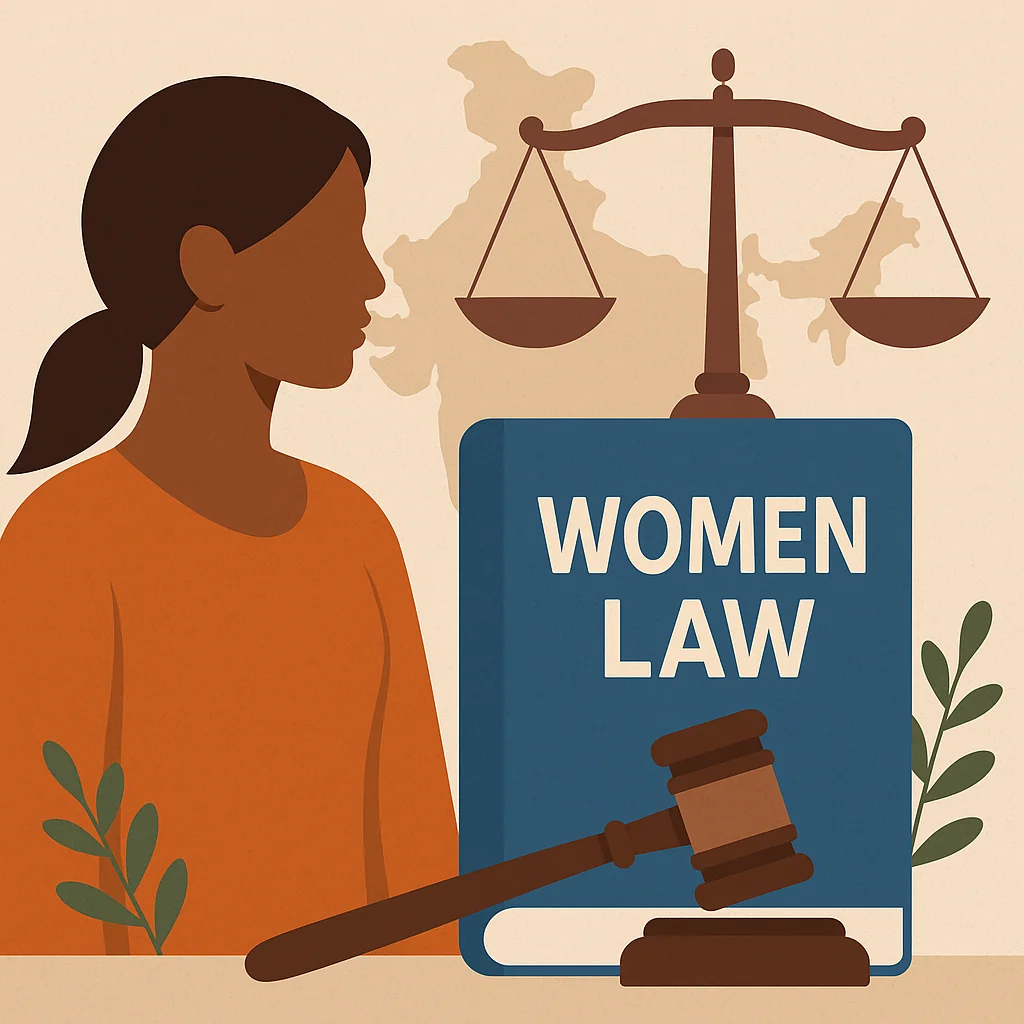
India’s Journey Toward Gender Equality
India’s journey toward gender equality has been marked by significant legislative victories and constitutional guarantees, yet the reality for millions of Indian women remains a complex mix of progress and persistent challenges. As the world’s most populous democracy, India’s approach to women’s rights carries implications not just for its 700 million female citizens, but for global gender equality movements.
Constitutional Foundations and Legal Framework
The Indian Constitution, adopted in 1950, established a progressive foundation for women’s rights.
Key Constitutional Provisions
| Article | Provision |
|---|---|
| Article 14 | Guarantees equality before the law |
| Article 15 | Prohibits discrimination on grounds of sex |
| Article 16 | Ensures equal opportunity in public employment |
| Article 39(a) & 39(d) | Directs the state to ensure equal livelihood opportunities and equal pay for equal work |
Landmark Legislation
- The Hindu Succession (Amendment) Act of 2005 granted daughters equal rights to ancestral property.
- The Protection of Women from Domestic Violence Act (2005) provided civil remedies for domestic abuse.
- The Sexual Harassment of Women at Workplace Act (2013) mandated mechanisms to address workplace harassment.
- The criminalization of triple talaq in 2019 addressed a form of instant divorce that disproportionately affected Muslim women.
Education and Economic Participation
Female Education Progress
- Female literacy has risen from 53.7% in 2001 to approximately 70.3% in recent estimates.
- Still lags behind male literacy (~84%).
- Government initiatives like Beti Bachao Beti Padhao aim to address gender disparities.
Women in the Economy
In the economic sphere, women’s participation tells a complicated story.
- Female labor force participation remains around 25–30%.
- Barriers include cultural norms, safety concerns, lack of childcare, and discriminatory hiring.
- A persistent gender pay gap exists across sectors.
Violence Against Women: A Persistent Crisis
Perhaps no issue better illustrates the gap between legal protections and lived reality than violence against women.
Crime Trends and Challenges
- India records one of the highest rates of crimes against women globally.
- Crimes include rape, domestic violence, dowry deaths, and harassment.
- The 2013 Criminal Law Amendment Act strengthened penalties for sexual violence.
Implementation Gaps
- Underreporting due to stigma, fear, and distrust of justice systems.
- Cases often languish in courts for years.
- Conviction rates remain low.
Political Representation and Leadership
Women in Leadership
- India has had a female Prime Minister, President, Speaker of the Lok Sabha, and several Chief Ministers.
- The 73rd and 74th Amendments mandated 33% reservation for women in local governance.
Representation Gaps
- Women constitute only about 14% of the Lok Sabha.
- The Women’s Reservation Bill (33% seats in Parliament and state legislatures) passed in 2023; implementation pending delimitation and census.
Social and Cultural Barriers
Patriarchal Norms
- Son preference leads to sex-selective abortions despite legal bans.
- Child marriage persists, especially in rural areas, despite legal age restrictions.
- The dowry system continues despite being outlawed in 1961.
- Widow remarriage remains socially resisted in many communities.
Health and Reproductive Rights
Maternal Health
- Maternal mortality rates have declined but remain concerning in several states.
- Access to quality reproductive healthcare is uneven, especially in rural regions.
- Government programs like Janani Suraksha Yojana promote institutional deliveries.
Reproductive Rights and Autonomy
- India legalized abortion in 1971 through the Medical Termination of Pregnancy Act (amended in 2021).
- Availability of safe abortion services varies widely.
- Female autonomy in reproductive decisions often limited by family and social pressures.
The Digital Divide and New Frontiers
The digital revolution presents both opportunities and challenges for Indian women. While technology offers new avenues for education, employment, and empowerment, the gender digital divide is significant. Women have lower rates of internet access, smartphone ownership, and digital literacy compared to men. Online spaces have also become sites of gendered violence, with women facing cyberbullying, revenge porn, and harassment.
Digital Challenges
- Women have lower rates of internet access, smartphone ownership, and digital literacy compared to men.
- Online spaces have also become sites of gendered violence, with women facing:
- cyberbullying
- revenge porn
- harassment
The Way Forward
India’s path toward gender equality requires a multi-pronged approach. Legal reforms must be accompanied by robust implementation mechanisms and swift justice delivery. Economic policies need to actively promote female workforce participation through adequate childcare support, safe transportation, and enforcement of equal pay provisions.
Education and Engagement
- Education remains crucial—not just for girls, but education that challenges gender stereotypes for all children.
- Boys and men must be engaged as partners in creating gender-equitable societies.
- Media and popular culture have important roles in shaping attitudes and normalizing women’s equal participation in all spheres.
Community Interventions and Collectives
Community-level interventions that address patriarchal norms, engage religious and traditional leaders, and create support systems for women challenging discriminatory practices have shown promise. Women’s collectives and self-help groups have demonstrated the power of solidarity in creating social and economic change.
Role of Government
The government’s role extends beyond legislation to ensuring adequate budgetary allocations for women’s programs, improving data collection on gender indicators, and holding institutions accountable for gender-responsive governance.
Conclusion
India’s women’s rights landscape is characterized by contradictions—constitutional guarantees coexist with social discrimination, legal protections with implementation gaps, economic advancement with persistent barriers. The presence of women in the highest offices contrasts with the vulnerability of millions to violence and deprivation.
Progress has been real but uneven, varying significantly across regions, communities, and socioeconomic groups. Urban, educated women from privileged backgrounds often experience realities vastly different from their rural, poor, or marginalized counterparts. Caste, religion, and class intersect with gender to create multiple layers of discrimination for many women.
Yet there are reasons for cautious optimism. A new generation of Indian women is increasingly asserting their rights, leveraging education, technology, and legal mechanisms to challenge inequities. Civil society organizations continue their vital advocacy and support work. Public discourse around gender issues has become more robust, if contentious.
The realization of women’s rights in India is not merely a women’s issue—it is fundamental to India’s democratic promise and development aspirations. As India positions itself as a global power, how it treats half its population will significantly shape its trajectory and moral authority. The journey toward gender justice is far from complete, but with sustained commitment from the state, society, and citizens, a more equitable future is possible.
Key Themes
| Theme | Summary (verbatim) |
|---|---|
| Digital Divide | Women have lower rates of internet access, smartphone ownership, and digital literacy compared to men. |
| Gendered Violence Online | Online spaces have also become sites of gendered violence, with women facing cyberbullying, revenge porn, and harassment. |
| Policy & Implementation | Legal reforms must be accompanied by robust implementation mechanisms and swift justice delivery. |
| Social Change | Community-level interventions that address patriarchal norms, engage religious and traditional leaders, and create support systems for women challenging discriminatory practices have shown promise. |

