





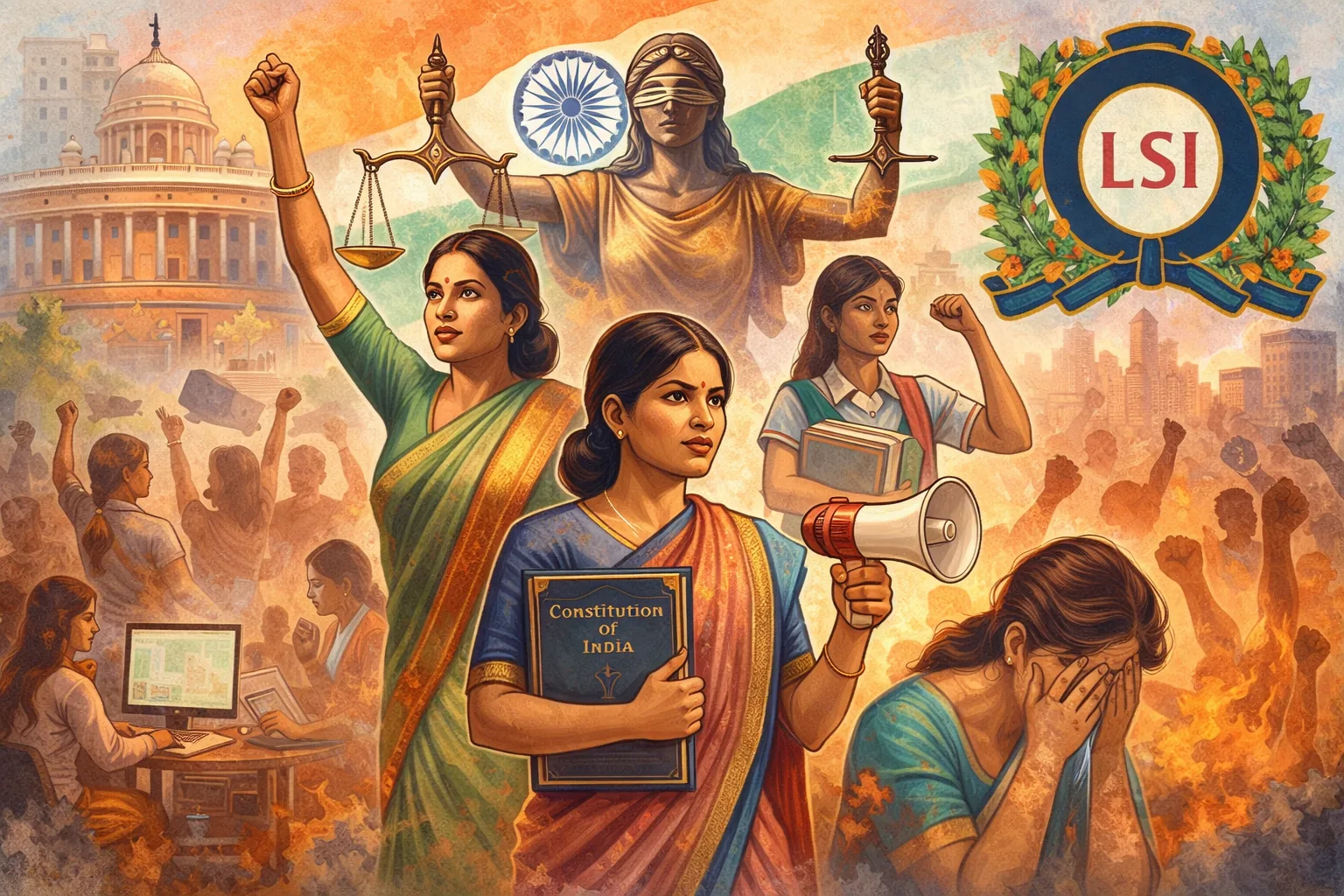
As India stands at a critical juncture in its development journey—aspiring to become a global economic power while grappling with deep-rooted inequalities—the status of women’s rights will fundamentally shape the nation’s trajectory. The past seven decades since independence have witnessed remarkable progress: constitutional guarantees of equality, expanded education access, women in top leadership positions, and legal reforms addressing discrimination and violence. Yet profound challenges persist: endemic violence, economic marginalization, political underrepresentation, and social norms that continue to subordinate women. The future of women’s rights in India will be determined by whether the nation can accelerate progress, address systemic barriers, and fundamentally transform the patriarchal structures that have constrained women’s potential for millennia.
Taking Stock: Progress and Persistent Gaps
Understanding where we stand is essential for charting the path forward. India’s record on women’s rights is one of contradictions—significant achievements coexisting with glaring failures.
The Gains: Real but Incomplete
The literacy rate for women has risen from single digits at independence to over 70%, enabling millions to read, access information, and navigate bureaucracies. Female life expectancy has increased by three decades, reflecting better nutrition, healthcare, and living conditions. Legal frameworks now prohibit discrimination, protect against violence, and guarantee rights that were unimaginable generations ago.
Women’s political participation at the grassroots level has been revolutionized through panchayat reservations, bringing over a million women into elected office. Economic opportunities, while limited, have expanded—more women work in formal sectors, run businesses, and achieve financial independence than ever before. Cultural shifts are visible, particularly in urban areas, where younger generations question traditions their parents accepted.
The #MeToo movement, legal victories like the decriminalization of adultery and Section 377, and sustained activism on violence against women demonstrate growing consciousness about rights and willingness to challenge violations. Civil society, women’s organizations, and individual activists have created pressure for change that governments and institutions cannot entirely ignore.
The Gaps: Wide and Deep
Yet the gaps remain enormous. Gender-based violence continues at epidemic levels, with most survivors never accessing justice. The gender pay gap persists across all sectors. Women’s representation in national and state legislatures remains under 15%. Maternal mortality, malnutrition, and health inequities affect millions.
Son preference continues to skew sex ratios despite decades of campaigns. Child marriage, though declining, still affects millions of girls. Dowry demands intensify despite legal prohibition. Women’s labor force participation has actually declined in recent decades, a troubling reversal amid economic growth.
Most critically, patriarchal attitudes remain deeply entrenched. Surveys consistently show that substantial proportions of both men and women believe wives should obey husbands, that women bear primary responsibility for household work and childcare, and that violence is sometimes justified. Legal and policy changes have outpaced social transformation, creating disconnects between rights on paper and realities in practice.
Demographic and Social Trends Shaping the Future
Several demographic and social trends will profoundly influence women’s rights in the coming decades.
Generational Shifts
Young people, particularly urban, educated youth, exhibit more progressive gender attitudes than older generations. They question arranged marriage, support women’s workforce participation, oppose dowry, and believe in shared household responsibilities. This generational shift, driven by education and exposure to diverse ideas, could accelerate social change as younger cohorts age into decision-making positions.
However, generational change is uneven. Rural youth and those from conservative communities may hold traditional views. Even progressive young men may espouse egalitarian values while expecting wives to manage households. The gap between rhetoric and practice, between public progressivism and private patriarchy, remains significant.
Urbanization and Modernization
India’s ongoing urbanization—currently about 35% urban, projected to reach 50% by 2050—will reshape women’s lives. Urban environments typically offer more educational and employment opportunities, greater anonymity enabling personal choices, and exposure to diverse lifestyles and ideas.
However, urbanization doesn’t automatically translate to women’s empowerment. Urban poverty can be as constraining as rural poverty. Urban slums lack the community support that rural villages sometimes provide. Sexual harassment in public spaces and transportation affects urban women severely. The promise of urban liberation remains unfulfilled for many women navigating hostile cities.
Technology and Connectivity
The digital revolution will continue transforming how women access information, education, employment, and each other. Technology can enable women in remote areas to learn, earn, and connect beyond geographic constraints. Digital platforms can facilitate organizing and activism. Financial technology can expand women’s economic participation.
Yet technology also enables new forms of surveillance, control, and violence. The digital divide excludes poor and rural women from opportunities. Online harassment silences women’s voices. The future impact of technology on women’s rights depends on addressing access barriers and safety challenges.
Economic Transformation
India’s economic trajectory—whether inclusive growth reducing poverty or growth that widens inequalities—will fundamentally affect women. Economic opportunities through employment, entrepreneurship, and asset ownership provide resources for women to negotiate better terms within families and society. Economic growth that bypasses women or creates only exploitative employment offers little empowerment.
The nature of work is changing—automation, gig economy, remote work—creating both opportunities and vulnerabilities. Women’s ability to benefit from economic transformation depends on education, skills, and freedom from domestic responsibilities that currently constrain economic participation.
Critical Battlegrounds for the Future
Several key areas will be critical battlegrounds determining progress on women’s rights.
Violence Against Women
Addressing endemic violence requires multifaceted approaches. Stronger legal frameworks must be matched with effective implementation—police that take complaints seriously, courts that deliver swift justice, and consequences that deter perpetrators. Support services for survivors—shelters, counseling, legal aid, economic assistance—must expand dramatically.
Prevention requires challenging attitudes that normalize violence. Comprehensive sexuality education teaching consent, healthy relationships, and gender equality can shape younger generations’ behaviors. Engaging men and boys in questioning masculinity norms that valorize dominance and control is essential.
Technology will play complex roles—enabling documentation and accountability, but also facilitating new forms of abuse. Regulating online platforms to prevent harassment while protecting free expression requiresa careful balance. The future of violence against women depends on whether prevention, protection, and accountability improve substantially from current inadequate levels.
Economic Participation and Independence
Reversing declining female labor force participation requires addressing structural barriers. Expanding accessible, affordable, quality childcare enables mothers to work. Enforcing equal pay and anti-discrimination laws creates fair workplaces. Flexible work arrangements accommodate care responsibilities without penalizing careers.
Women’s entrepreneurship needs support through access to credit, training, mentorship, and markets. Land rights, inheritance equality, and asset ownership provide economic security. Social security systems must protect women workers, including those in the informal sector.
The future economy’s inclusivity—whether it creates quality employment for women or only exploitative, insecure work—will profoundly affect women’s autonomy and well-being.
Political Representation and Power
Implementation of the Women’s Reservation Bill will bring unprecedented numbers of women into legislatures, potentially transforming political discourse and priorities. However, ensuring these women have ga enuine voice and power rather than serving as proxies for male relatives requires ongoing vigilance and support.
Beyond formal politics, women’s participation in decision-making at all levels—community organizations, corporate boards, educational institutions, media organizations, judiciary—must increase. Transforming power structures requires women’s presence wherever decisions affecting society are made.
Education and Skills
Ensuring all girls complete quality secondary education should be a national priority. Education provides a foundation for employment, delayed marriage, smaller families, and the ability to assert rights. Closing urban-rural, rich-poor, and caste-based education gaps requires targeted interventions.
Higher education and vocational training must equip women with skills for the emerging economy. Encouraging women in STEM fields, technical training, and non-traditional careers expands options beyond stereotypical “women’s work.”
Education must also include critical thinking about gender norms, rights awareness, and skills for challenging discrimination. Educated women who internalize patriarchal values don’t necessarily advance equality; education must cultivate consciousness alongside competence.
Health and Bodily Autonomy
Universal healthcare ensuring all women access quality maternal health services, reproductive health care, and general health services would dramatically improve health outcomes and reduce maternal mortality to negligible levels.
Reproductive autonomy—women’s ability to decide if, when, and how many children to have free from coercion—requires both access to contraception and abortion services and respect for women’s decision-making. Challenging pronatalist norms and son preference reduces pressure for repeated childbearing.
Nutrition programs ensuring women receive adequate food, addressing household distribution inequities, and treating anemia would improve health across generations. Mental health services responsive to women’s needs could address widespread psychological distress.
Legal Reform and Justice Access
Comprehensive legal reforms addressing remaining discriminatory provisions—marital rape exemption, unequal personal laws, inadequate anti-discrimination protections—would strengthen legal frameworks. However, legal change alone is insufficient without implementation.
Transforming justice systems to be accessible, affordable, and fair for women requires massive investment in courts, police training, legal aid, and fast-track mechanisms. Technology can help—e-filing, video conferencing, case tracking—but cannot substitute for adequate personnel and political will.
Alternative dispute resolution, community justice mechanisms, and restorative justice approaches might address some cases more effectively than formal courts, though power imbalances in these forums require attention to ensure they don’t disadvantage women.
The Role of Different Actors
Realizing a future of gender equality requires coordinated action from multiple actors—state, civil society, private sector, families, and individuals.
The State’s Responsibilities
The government bears primary responsibility for ensuring rights. This requires legislation prohibiting discrimination and violence, policies supporting women’s advancement, and, most critically, implementation of existing laws and programs.
Resource allocation is essential—adequate budgets for education, health, legal aid, economic programs, and violence prevention. Gender-responsive budgeting, analyzing how all government spending affects women, can ensure resources reach women effectively.
Governance reforms addressing corruption, improving service delivery, and ensuring accountability can make government programs serve women rather than exploit or exclude them. Political leadership demonstrating commitment through action, not just rhetoric, signals priorities.
Civil Society and Activism
Women’s organizations, feminist movements, and civil society have historically driven progress on women’s rights, often ahead of state action. Continued advocacy, service provision, organizing, and pressure are essential.
Building inclusive movements that center marginalized women—Dalit, Adivasi, Muslim, disabled, LGBTQ+, poor—ensures activism addresses all women’s needs. Coalition-building across movements—labor, caste annihilation, religious minority rights—strengthens struggles for justice.
Younger feminists bringing energy, technological savvy, and fresh perspectives while building on previous generations’ foundations can invigorate movements. Intergenerational dialogue prevents reinventing wheels while avoiding stagnation.
The Private Sector
Corporations influence women’s rights through employment practices, products and services, supply chains, and cultural messaging. Companies implementing gender-equitable hiring, equal pay, anti-harassment policies, and advancement opportunities contribute to economic empowerment.
Products and services designed with women’s needs and safety in mind—rather than treating male users as the default—serve markets better while promoting inclusion. Corporate social responsibility initiatives supporting women’s education, health, or entrepreneurship can create change, though they cannot substitute for fair business practices.
Media companies and entertainment industries shape cultural attitudes through content. Responsible, non-stereotypical representation of women in films, television, advertising, and news can shift norms while exploitative, objectifying content perpetuates discrimination.
Families and Communities
Families are primary sites where gender norms are reproduced or challenged. Parents who educate daughters equally with sons, divide household labor equitably, respect women’s autonomy, and model egalitarian relationships raise children with different gender expectations.
Communities that challenge rather than enforce discriminatory norms—questioning dowry, supporting women’s education and employment, rejecting violence, celebrating diverse life choices—create enabling environments. Religious and community leaders can interpret traditions progressively, emphasizing justice and dignity rather than patriarchal control.
However, families and communities change slowly, often responding to broader social, economic, and legal changes rather than initiating them. Generational shifts, economic pressures making women’s income essential, and exposure to alternative models gradually transform family and community norms.
Individual Choices and Actions
Individual women and men make daily choices that collectively shape gender relations. Women who assert rights, challenge discrimination, support other women, and refuse to accept subordination expand possibilities for all women. Men who share household labor, respect women’s autonomy, challenge sexist peers, and support women’s advancement transform relationships and model alternatives.
However, individual action faces structural constraints. Women cannot individually overcome legal barriers, access nonexistent services, or end societal discrimination. While individual agency matters, systemic change requires collective action and institutional transformation.
Potential Futures: Scenarios and Possibilities
The future is not predetermined but shaped by choices and actions. Several possible trajectories exist depending on how current trends develop and which choices prevail.
Optimistic Scenario: Accelerating Progress
In this scenario, multiple positive trends converge. Economic growth creates quality employment, absorbing women workers. Educational expansion ensures all girls complete secondary school. Legal reforms close remaining gaps, and implementation dramatically improves with courts functioning, police responsive, and justice accessible.
Cultural shifts accelerate, with younger generations’ progressive attitudes translating into changed behaviors and institutions. Technology democratizes access to information and opportunities while platforms effectively address harassment. Women’s political representation increases with reservation implementation, and women legislators shape policy priorities.
Violence declines as prevention, protection, and accountability improve. Economic independence enables women to leave abusive situations. Son preference weakens, sex ratios normalize, and girls are valued equally with boys. Marriage age rises, women’s choices in partners are respected, and household labor is shared.
This optimistic future is possible but not inevitable. It requires sustained commitment, resources, and political will. It requires challenging entrenched interests benefiting from gender inequality. Progress in this direction depends on whether forces supporting change overcome resistance.
Pessimistic Scenario: Stagnation and Backlash
Alternatively, progress could stall or reverse. Economic growth that bypasses women, creating only exploitative employment, fails to empower. Educational expansion in quantity without quality produces credentials without capabilities. Legal reforms remain unimplemented, with justice inaccessible and violence unpunished.
Cultural backlash against women’s advancement could intensify, with conservative forces mobilizing around “tradition” and “family values” to resist change. Digital divides widen, excluding poor and rural women from opportunities while enabling surveillance and control. Women’s political representation remains symbolic, with women legislators controlled by male party leadership.
Violence could intensify as patriarchal power feels threatened by women’s assertions. Economic crisis could increase family control over women, seen as expandable labor force members in good times but expected to return to households in downturns. Son preference could persist or worsen with technology, making sex selection easier.
This pessimistic trajectory is also possible. Warning signs exist—declining female labor force participation, intense online harassment, and communal mobilizations targeting minority women. Avoiding this future requires vigilance and resistance to forces opposing women’s equality.
Realistic Scenario: Uneven, Contested Progress
Most likely, the future will involve uneven progress—advances in some areas alongside stagnation or regression in others, progress for some women while others are left behind, legal and formal changes outpacing cultural transformation.
Urban, educated, economically secure women may experience substantial empowerment, while rural, poor, marginalized women see minimal change. Certain issues may see progress—education access, maternal mortality reduction—while others stagnate—violence, economic participation. Regional variation will be enormous, with some states advancing rapidly while others lag.
Progress will be contested at every step. Each advancement will face resistance from those benefiting from current arrangements. Backlashes will periodically slow or reverse gains. Progress will require constant pressure from women’s movements and progressive forces against conservative resistance.
This uneven, contested trajectory requires managing expectations—celebrating gains without complacency, acknowledging gaps without despair. It demands sustained organizing, incremental victories building toward transformation, and resilience through setbacks.
The Vision: What Gender Equality Looks Like
Amidst debates about strategies and scenarios, maintaining a vision of the destination—genuine gender equality—is essential. What would India look like if women’s rights were fully realized?
Every girl would complete a quality education, pursuing fields matching her interests and abilities without stereotype constraints. Women would participate in economic life based on choice and capability, accessing decent employment, fair wages, and advancement opportunities equal to men. Household and care work would be shared equitably, valued rather than rendered invisible.
Women would participate equally in political and civic life—as voters, candidates, elected officials, and civil society leaders. Decision-making bodies at all levels would include women proportionate to the population. Laws and policies would reflect all citizens’ needs and perspectives, not just male elites’.
Marriage would be freely chosen, based on mutual respect and compatibility rather than family arrangement. Partnerships would be egalitarian, with decisions shared and autonomy respected. Childbearing would be women’s choice, made freely without coercion. Motherhood would be one among many valued roles, not women’s sole identity or compulsory destiny.
Violence against women would be rare, addressed swiftly when occurring, with perpetrators held accountable and survivors supported. Women would move through public and private spaces safely, without constant vigilance or fear. Harassment would be socially unacceptable, challenged by bystanders rather than tolerated.
Women’s diverse experiences—across caste, class, religion, region, ability, sexuality—would be acknowledged and addressed. Policies would respond to varied needs rather than treating women as a monolithic category. Marginalized women would participate in defining agendas and leading movements affecting them.
Cultural representation would portray women as complete human beings—complex, diverse, capable, and valuable beyond relationships to men. Religious and cultural traditions would be interpreted to emphasize dignity, justice, and equality rather than patriarchal control. Social norms would support rather than constrain women’s flourishing.
This vision may seem utopian, but it simply describes life that many men take for granted. The radical demand is not a fantastical future but the present reality of freedom, safety, dignity, and opportunity—the promise of equality that India’s Constitution enshrined seven decades ago.
Conclusion: The Imperative of Transformation
The future of women’s rights in India is not predetermined but will be shaped by choices made in the coming years and decades. Current trajectory suggests uneven progress—significant gains for some alongside continued marginalization for many, advances in certain areas despite stagnation elsewhere, and legal changes outpacing cultural transformation.
Accelerating progress requires addressing systemic barriers—poverty, caste discrimination, inadequate healthcare and education, dysfunctional justice systems, economic structures marginalizing women, and deeply entrenched patriarchal norms. Piecemeal reforms, while valuable, are insufficient. Fundamental transformation of structures subordinating women is necessary.
This transformation requires multi-level action. The state must fulfill its responsibilities through legislation, implementation, and resource allocation. Civil society must continue advocacy, organizing, and service provision. The private sector must adopt equitable practices. Families and communities must challenge discriminatory norms. Individuals must make choices supporting equality in their daily lives.
The stakes extend beyond women themselves. Gender equality is not zero-sum, where women’s gains mean men’s losses, but positive-sum, where all benefit from women’s full participation. Countries achieving greater gender equality show better economic performance, health outcomes, education levels, and social cohesion. India cannot reach its full potential while constraining half its population.
For women themselves, the imperative is clear. Every day lived under discrimination, violence, and denied opportunity is a day too many. Every woman unable to pursue the education she desires, employment matching her skills, or life on her own terms represents unrealized human potential. Delaying equality means generations more of women living constrained lives.
The long road to equality stretches ahead, requiring patience for gradual change alongside urgency for transformation. The progress of past decades demonstrates that change is possible. Persistent gaps demonstrate how much remains to be done. The future will be determined by whether India can build on gains while addressing failures, whether forces supporting equality can overcome resistance, and whether the constitutional promise of equality can finally become a lived reality for all women.
The journey continues. Every law passed, every case won, every girl educated, every woman empowered, every norm challenged, and every act of solidarity moves India closer to the vision of equality. The destination—a society where women live with full dignity, freedom, and opportunity—is worth every step of the long journey ahead.

