1. Introduction
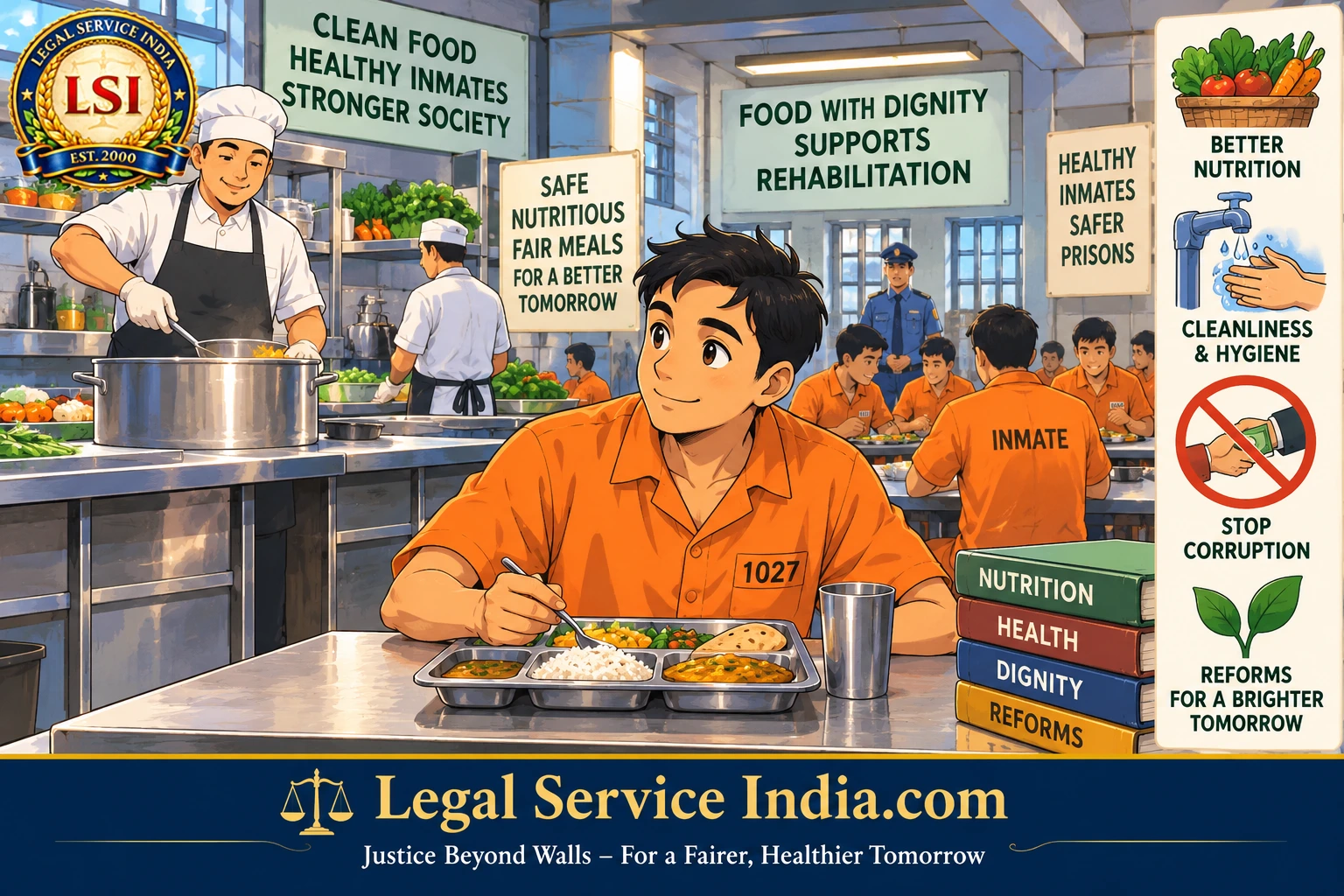
The prison mess is the heart of daily food service in any jail. It works under tight security rules, limited budgets, and complicated logistics. The safety, cleanliness, nutritional value, and portion size of the food affect inmates’ health, behaviour, sense of dignity, and chances of rehabilitation.
How the Mess Operates
Most prisons serve three meals a day, with at least two of them hot. Food is cooked in a central kitchen and either served in a controlled dining hall or delivered to cells during lockdowns or high-security periods.
There are three common ways of running the kitchen:
- Inmates do most of the cooking and cleaning under staff supervision.
- Civilian cooks handle the main work while inmates help with preparation and cleaning.
- Private companies take full responsibility for the food service.
Menus are supposed to follow nutritional guidelines and include special diets for medical, religious, or vegetarian needs. In practice, the actual quality of the food differs a lot from one prison to another.
Nutrition and Portion Sizes
Standard menus depend heavily on cheap, long-lasting foods such as rice, pasta, bread, cereals, and basic proteins. Fresh vegetables and good-quality protein are often limited, especially in poorly funded prisons.
The meals usually provide enough calories, but they frequently lack important vitamins, minerals, healthy fats, and fibre. Portions are often small, and the long gap between dinner and breakfast leaves many inmates hungry. Those who have no money from outside cannot buy extra food from the canteen and suffer the most.
Hygiene and Food Safety
Prisons are required to follow basic public health and food safety rules. In reality, these rules are often broken because of:
- Spoilt or contaminated ingredients
- Pests and dirty storage areas
- Unclean trays, utensils, and cooking equipment
- Poor refrigeration and lack of hot water or soap
- Weak supervision during cooking and serving
When food safety fails, inmates get preventable stomach illnesses. Being in prison means losing freedom — it should not mean being denied clean and safe food.
The Dining Hall
The dining hall is a tightly controlled space. Movement, seating, talking, and the time allowed for eating are all restricted for security reasons. These controls are necessary, but they should never turn into unnecessary humiliation or conflict. Good order and basic dignity can — and should — go together.
Dependence on the Canteen and Growing Inequality
When the official meals are poor or insufficient, inmates turn to the canteen. They buy noodles, canned food, and snacks and mix them into home-style meals called “spreads”.
This creates a clear divide. Inmates who receive money from outside can improve their diet. Those without money must live only on the official food. Weak mess services therefore increase inequality inside the prison.
Effects on Health and Behaviour
Diets high in refined carbohydrates, salt, and sugar, and low in essential nutrients, contribute to long-term problems such as obesity, high blood pressure, and diabetes.
Constant hunger and frustration also raise tension, anxiety, and disciplinary problems. Decent nutrition is not only a health issue — it is also important for keeping order and supporting rehabilitation.
The Indian Context
In India, prison manuals (including those used in Tihar Jail) set clear daily quantities for cereals, pulses, vegetables, and oil. Some prisons also run farms that grow vegetables and give inmates useful work skills.
These written standards matter only if they are actually followed. The gap between the rules on paper and the food served every day needs regular, independent checking.
Corruption in the Food Supply
Buying and distributing prison food is open to corruption. When systems are not transparent, officials and contractors can collude. This leads to short deliveries, poor-quality goods, and false records.
The results are clear: inmates’ health suffers, favouritism grows, and trust in the system breaks down.
Practical steps that help include:
- Open digital tenders
- Real-time electronic stock records
- Checking weight and quality when goods arrive
- Surprise kitchen inspections
- Strict punishment for those who break the rules
Similar problems can also appear in visitation, cell allotment, medical-ward admission, and the movement of contraband. When basic needs and security become things that can be bought, the prison system loses both authority and effectiveness.
Misuse of Medical Facilities
Medical wards are meant only for inmates who need special treatment, observation, or therapeutic diets. When influential inmates use money or connections to get into these wards for better food, cooler rooms, or privacy, the medical system is undermined. Placement must be based only on genuine medical need and should be independently reviewed.
Practical Reform Framework
| Area | What Needs to Be Done |
|---|---|
| Dietary Policy | Design menus with the help of qualified nutritionists so that portions and nutrients are adequate. |
| Supply Chain | Use transparent digital procurement, track stocks electronically, and check quality and weight at delivery. |
| Safety & Facilities | Improve kitchen infrastructure (refrigeration, clean water, sanitation) and enforce proper food-safety standards. |
| Oversight | Carry out regular, unannounced inspections by outside health and human rights teams. |
| Staff & Inmate Support | Train kitchen staff in food hygiene, create safe ways for inmates to complain, and expand prison farms for fresh vegetables and skill training. |
12. Conclusion
How a prison feeds its inmates affects their health, the discipline of the institution, and the possibility of rehabilitation. Poor food cannot be excused as a normal administrative problem or a matter of limited funds. People in prison keep their basic rights to health and dignity. Providing safe, nutritious, and fair meals is both a duty of the administration and a necessary condition for any real chance of reform.