





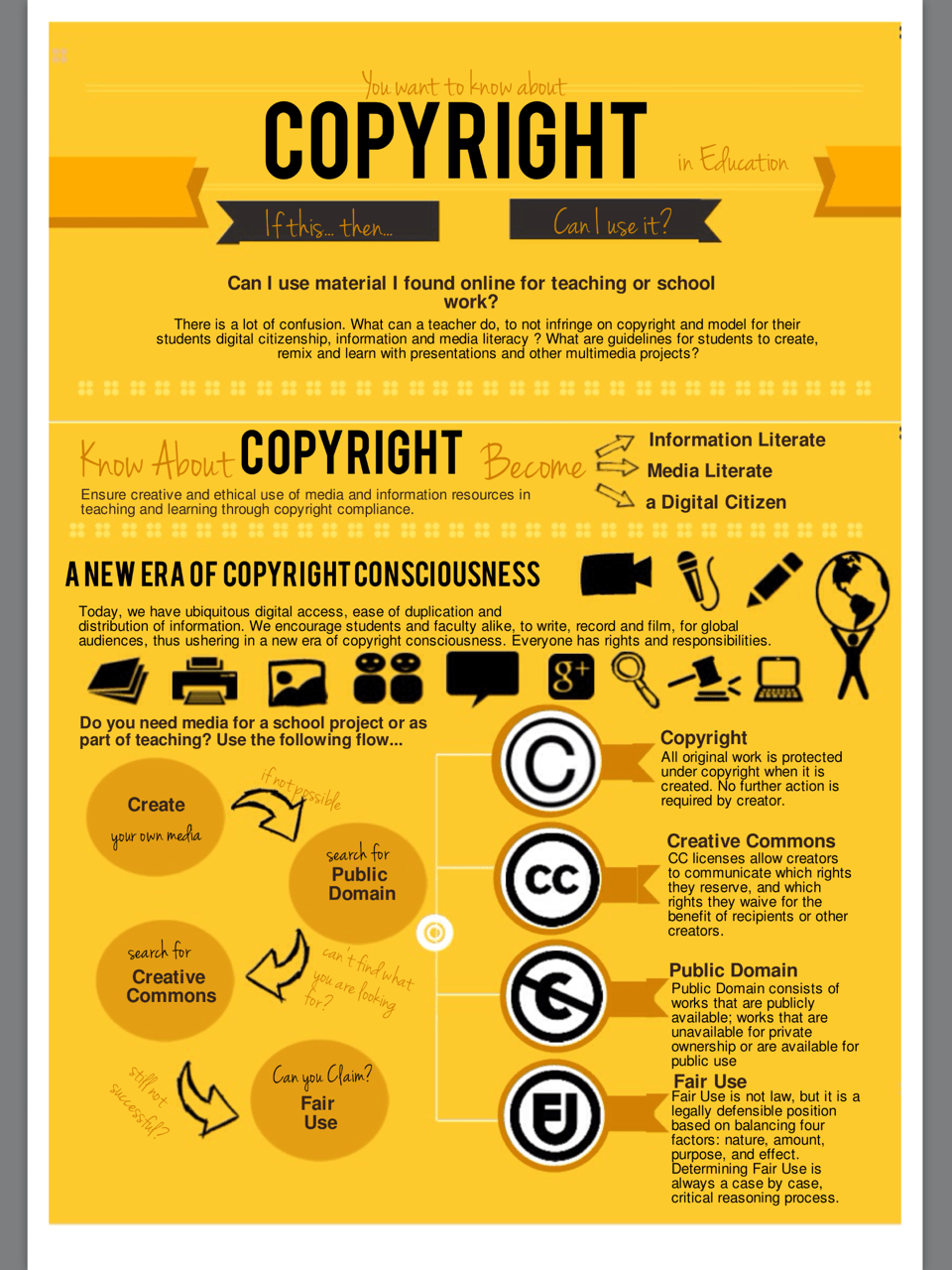
Legal protection of creativity is very important. It protects all the ideas that artists make and the money which they get from the works, from paintings and sculptures. Copyright law gives the artists the power to control everything concerning the reproduction and exhibition of their works in front of the people. As a result, the authors are inspired to create new things, since they know that they will have to control their creations.
The copyright laws are in place to help people who make things like paintings and sculptures and take photos and digital pictures. Because of the copyright law, artists get to say what happens to the things they make. They get to decide how their artwork is used or shown. When an artist makes something, like a painting or a sculpture, the copyright law protects it as soon as it is made.
This means artists can make things without worrying that someone will use their work in a bad way and not pay them for it. The copyright law is fair because it lets people see and use the things artists make. It also makes sure the artists get something back when people use their work for the right reasons. The copyright law is important for artists and for people who like to look at and use the things artists make. The copyright law helps artists because it protects their artwork and makes sure they get paid when someone uses it.
Copyright Law: Protection of Creative Works
Copyright law is a category of protection of creative works of the individuals because it enables rightful authors to determine who would be able to reproduce or disseminate their works. This consists of many works like paintings, sculptures, photographs, digital designs, and performances. Copyright gives this authority to the creators instantly right from the moment they create their works and make them visible. Other countries operate the same way as stated in the Berne Convention and the India Copyright Act of 1957.
Key Features of Copyright Protection
- Protects paintings, sculptures, photographs, digital designs, and performances.
- Gives creators control over reproduction and dissemination of their works.
- Copyright arises automatically once an original work is created.
- Recognised internationally under the Berne Convention.
- Governed in India by the Copyright Act, 1957.
Section 14(a) of the Copyright Act, 1957
Section 14(a) deals with the copyright in the case of a literary, dramatic or musical work, not being a computer programme.
| Clause | Right Granted Under Section 14(a) |
|---|---|
| (i) | To reproduce the work in any material form, including the storing of it in any medium by electronic means. |
| (ii) | To issue copies of the work to the public, not being copies already in circulation. |
| (iii) | To perform the work in public, or communicate it to the public. |
| (iv) | To make any cinematographic film or sound recording in respect of the work. |
| (v) | To make any translation of the work. |
| (vi) | To make any adaptation of the work. |
| (vii) | To do, in relation to a translation or an adaptation of the work, any of the acts specified in relation to the work in sub-clauses (i) to (vi). |
A Brief Historical Background
Copyright in its modern form began with the Statute of Anne of 1710, in England, which was the first piece of legislation giving authors a right to their work for a limited period of time, as opposed to publishers previously being granted such rights. Until then, the reproduction of literary works was controlled by printers and guilds rather than individual authors. Copyright laws have since developed from there and spread to other countries.
The U.S. made sure to include the protection of writers’ literary works into the country’s Constitution in 1787. The French revolutionary laws included strong moral rights protection, which remains an important feature of the continental European copyright system. It has taken nearly two hundred years, with numerous technological advancements along the way – photography, sound recordings, cinema, broadcasting, and eventually the Internet – to develop further copyright regulations.
Historical Milestones
| Year/Period | Development |
|---|---|
| 1710 | The Statute of Anne was enacted in England, recognising authors’ rights for a limited period. |
| 1787 | The United States Constitution incorporated protection for authors’ literary works. |
| French Revolution Era | Development of strong moral rights, influencing continental European copyright law. |
| 19th–21st Century | Expansion of copyright law to cover photography, sound recordings, cinema, broadcasting, and the Internet. |
Summary
- Copyright protects original creative works.
- Protection begins automatically once a work is created.
- The Copyright Act, 1957, governs copyright protection in India.
- Section 14(a) defines the exclusive rights of copyright owners.
- Modern copyright law evolved from the Statute of Anne, 1710, and continues to adapt to technological advancements.
International Frameworks
Given that art and creative material do not respect jurisdictional boundaries, it follows that there is now a need for international cooperation in copyright legislation. The first international agreement is the Berne Convention for the Protection of Literary and Artistic Works (1886). It is the main treaty that requires all member nations to automatically acknowledge the copyright of material produced by other member states without any need of formal registration.
At present, more than 180 countries have signed this convention. Other treaties, such as the TRIPS Agreement (managed by the World Trade Organization) and those under the purview of the World Intellectual Property Organization (WIPO), have also harmonised copyright laws, especially for material in the digital age.
It must be acknowledged, however, that differences persist between various jurisdictions. Countries operating under common law traditions, such as the USA and UK, view copyright protection from the perspective of the economic right as a way to motivate the creation of new artistic material.
In civil law traditions, such as those followed by France and Germany, the concept of moral rights of the creator as an expression of his/her personality is emphasised.
Major International Copyright Treaties
| Treaty | Purpose | Key Feature |
|---|---|---|
| Berne Convention for the Protection of Literary and Artistic Works (1886) | International copyright protection | Automatic recognition of copyright among member countries without formal registration. |
| TRIPS Agreement | Global intellectual property standards | Harmonises copyright protection through the World Trade Organization. |
| WIPO Treaties | Digital copyright protection | Modernises copyright laws for the digital environment. |
Common Law vs Civil Law Approach to Copyright
| Legal Tradition | Countries | Primary Focus |
|---|---|---|
| Common Law | USA, UK | Economic rights as a way to motivate the creation of new artistic material. |
| Civil Law | France, Germany | Moral rights of the creator as an expression of his/her personality. |
What Does Copyright Law Protect?
Copyright law safeguards creative works, including literary, dramatic, musical, audiovisual and fine art works such as dramas, movies, music, computer programs and architectural work.
Copyright does not, however, protect discoveries, ideas, systems, methods or processes but may safeguard their expression. Furthermore, copyright protects neither individual words, phrases nor titles.
A non-exhaustive list of what can be protected by copyright includes:
Literary Works
This category of works includes things like novels, poems, short stories, periodicals, essays, dictionaries, manuscripts, periodicals and articles. It also includes software, such as smartphone apps, video games and software.
Musical Works and Any Accompanying Words
This category of works includes any work that consists of musical notes and lyrics in a musical composition.
Motion Pictures and Other Audiovisual Works
This category includes online videos, motion pictures and television shows, video games, and slideshows.
Sound Recordings
A sound recording is a work that results from the fixation of sounds without a visual component, whether musical or spoken. This category of works includes music on CDs, podcasts, and recorded speeches.
Pictorial, Graphic, and Sculptural Works
This category of works includes two- and three-dimensional works of fine, graphic and applied art, photographs, prints and art reproductions, maps, and diagrams.
Dramatic Works and Any Accompanying Music
A dramatic work is one in which a series of events is presented to an audience by characters through dialogue and action. This category of works includes plays, operas and musicals.
Pantomimes and Choreographic Works
This category of works includes dances.
Architectural Works
This category includes not only the architectural plans but also the building and any associated drawings.
Copyright-Protected Works at a Glance
| Category | Examples |
|---|---|
| Literary Works | Novels, poems, essays, articles, dictionaries, manuscripts, software, smartphone apps, video games |
| Musical Works | Musical compositions, musical notes, lyrics |
| Motion Pictures & Audiovisual Works | Films, online videos, television shows, slideshows, video games |
| Sound Recordings | Music CDs, podcasts, recorded speeches |
| Pictorial, Graphic & Sculptural Works | Photographs, paintings, maps, diagrams, sculptures, prints |
| Dramatic Works | Plays, operas, musicals |
| Pantomimes & Choreographic Works | Dances |
| Architectural Works | Architectural plans, buildings, associated drawings |
Works Not Protected by Copyright
- Discoveries
- Ideas
- Systems
- Methods
- Processes (though their expression may be protected)
- Individual words
- Phrases
- Titles
Registration: Is It Necessary?
Copyright comes into existence without any need for formalities in all countries adhering to the Berne Convention, meaning that there is no need for any registration, notice, or application at all for copyright protection as soon as a work is made into a fixed and tangible form.
However, registration of copyright does hold some significant importance and use.
In the United States, for instance, the registration of copyright is mandatory in order to file any lawsuit for infringement of copyright, and statutory damages or attorney’s fees cannot be claimed unless the work has been registered.
Also Read: Judicial Separation in India: Complete Step-by-Step Filing Procedure, Grounds & Legal Rights Guide
Key Points About Copyright Registration
| Aspect | Details |
|---|---|
| Berné Convention Countries | Copyright protection arises automatically when a work is fixed in a tangible form. |
| Registration Requirement | No registration, notice, or application is required to obtain copyright protection. |
| Importance of Registration | Registration provides significant legal advantages in certain jurisdictions. |
| United States | Registration is mandatory before filing a copyright infringement lawsuit, and statutory damages or attorney’s fees generally cannot be claimed without registration. |
Contemporary Challenges
The issue of copyright law still faces challenges in the contemporary era of digitalisation.
It becomes even harder to regulate violations caused by the copying and distributing of digital images, songs, and videos because of their easy availability.
Social networks complicate the definition of the notions of fair use, remixing, and viral distribution.
Moreover, recent developments in artificial intelligence add new concerns about the legal status of artwork generated by algorithms.
Emerging AI and Copyright Questions
- Does the algorithm-generated image have a copyright?
- Whom should it belong to, if the creation was done based on the training of the artificial intelligence model on millions of copyrighted materials?
Conclusion
Copyright law acts as the bedrock of protection for creativity in the arts, making an intangible right tangible through legal protection.
Copyright laws provide economic compensation and protection of the individual’s personal relationship with the artwork and give control to the creator on how the art will be distributed.
However, copyright laws should be flexible enough to adapt to the need of the public to learn about the arts and be able to access the art for educational purposes.
With the rapid development of technology in art distribution, creation, and production, copyright laws need to be adaptive in nature as well, but always for the protection of the creators of the art.
Important Links
Important Links:
- Lawyers in India
- Copyright Registration in India
- Caveat Filing in Supreme Court of India
- Mutual Consent Divorce in Delhi NCR: WhatsApp 9650499965

